

The Field of 68’s Jeff Goodman did a very funny thing Tuesday night. Just after the first round of the 2026 NBA Draft ended — and ended disappointingly for three players in particular — Goodman named the agencies and specific agents who were representing those players:

In one sense, Jeff was merely reporting facts. But he wasn’t just naming; he was shaming. Mistakes were made. As any reader of this newsletter knows, the stakes for a star leaving behind the college game in 2026 are massive. If you’re one of these guys, and you stay, you have millions of dollars waiting for you. If you go, well, you never know. Jeff’s implication was obvious: The three players in question did not receive the best, most financially sound advice — and at the worst and most obvious moment in the history of the sport.
(Jeff also later explained that he thought, in a world where agents want their names attached to every free agency news story and trade and even NIL deal that breaks on Twitter, turnabout was fair play. And you know what? He’s right!)
Mercifully, Isaiah Evans and Meleek Thomas were drafted almost immediately in Wednesday night’s second round (Evans went 33rd overall, Thomas 34th). Those outcomes were still huge letdowns, relative to first round pre-draft expectations, but they were at least in the realm of what everyone involved would have understood was possible throughout the process. There’s always a risk.
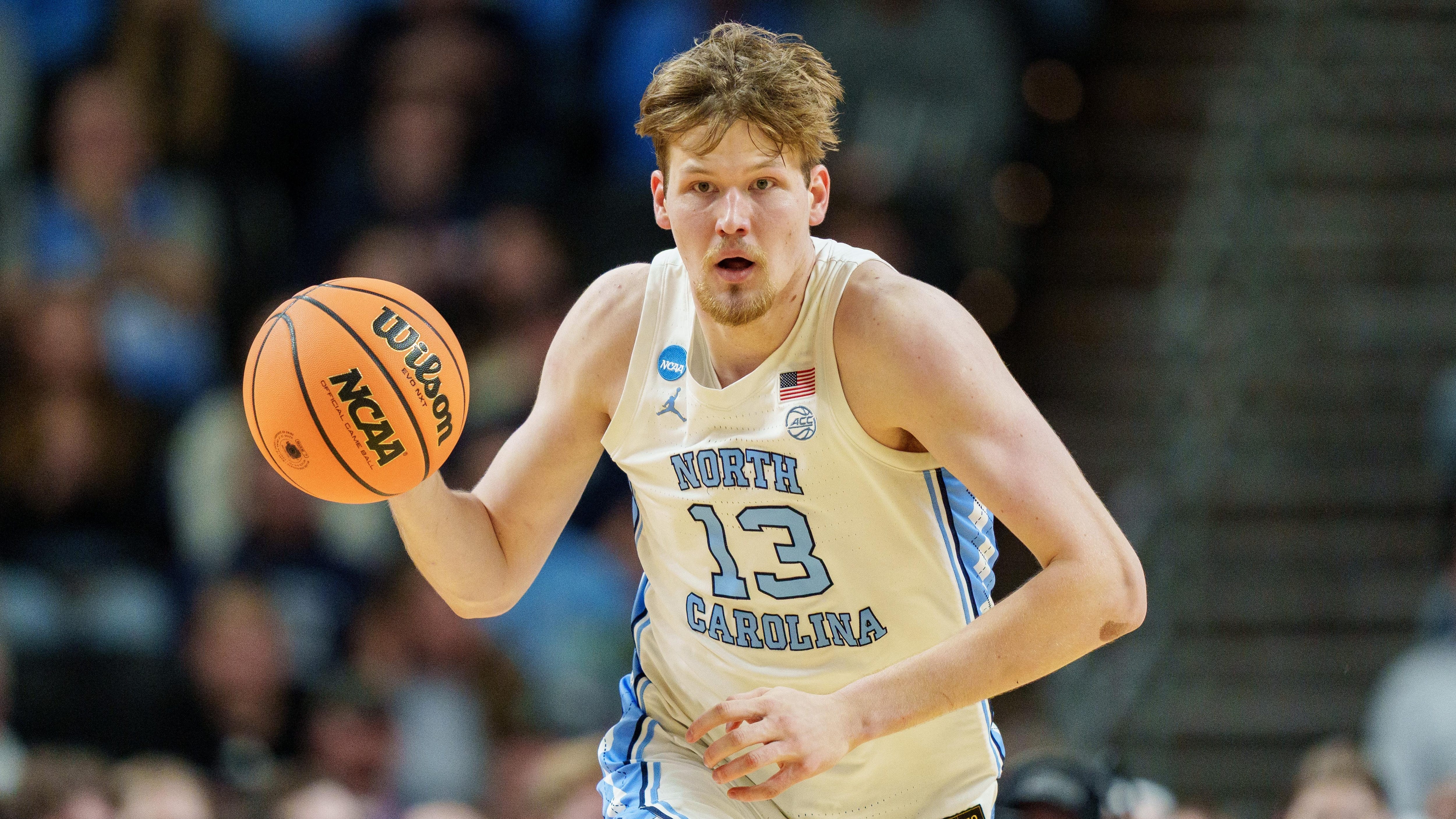
There was no such mercy for Henri Veesaar.
The second round of the modern NBA draft is not exactly must-see TV for the average sports fan, especially during a domestically hosted World Cup. Even this year’s first round felt oddly perfunctory, short on surprises: The four best players went in the first four picks, the guys expected to follow them mostly landed in place, the biggest riser from pre-draft expectations was drafted by the team that just hired a coach who led him to a national title (which, more on Dusty May below), and Koa Peat sneaking in at the very last pick of the first round was arguably the most suspenseful thing that happened all night.
Then Veesaar became the thing. He was the closest this draft had to a green room ghost — the guy who keeps drifting further and further down the list, the guy everyone pities, the star student who somehow flubs every job interview until it starts to get sad, the guy who will undoubtedly remember this most pivotal two days of his life with a panicked pit in his stomach.
There are caveats about Veesaar’s situation, things that make it less cut and dry than the “this unfortunate child was hoodwinked out of millions” narrative that accompanied his descent this week.
But still: Veesaar’s draft experience was the most glaring example yet of the suddenly drastic downsides — in 2026, in this college basketball landscape, more than ever, and for the foreseeable future, too — of leaving college when you’re not quite sure.
The NBA rookie scale has lingered over every meaningful stay-or-go decision of the 2026 college basketball offseason, beginning with Thomas Haugh’s sudden and spectacular return to Florida in the spring. At the time he announced, Haugh was considered a fringe lottery pick, and the NIL deal he signed with Florida was educated-guessed at somewhere in the $7-$8 million range.
A quick glance at the rookie scale (via Sportrac) makes it clear Haugh — even at a relatively lofty NBA draft projection — was actually profiting from staying in Gainesville for the next 12 months:
